
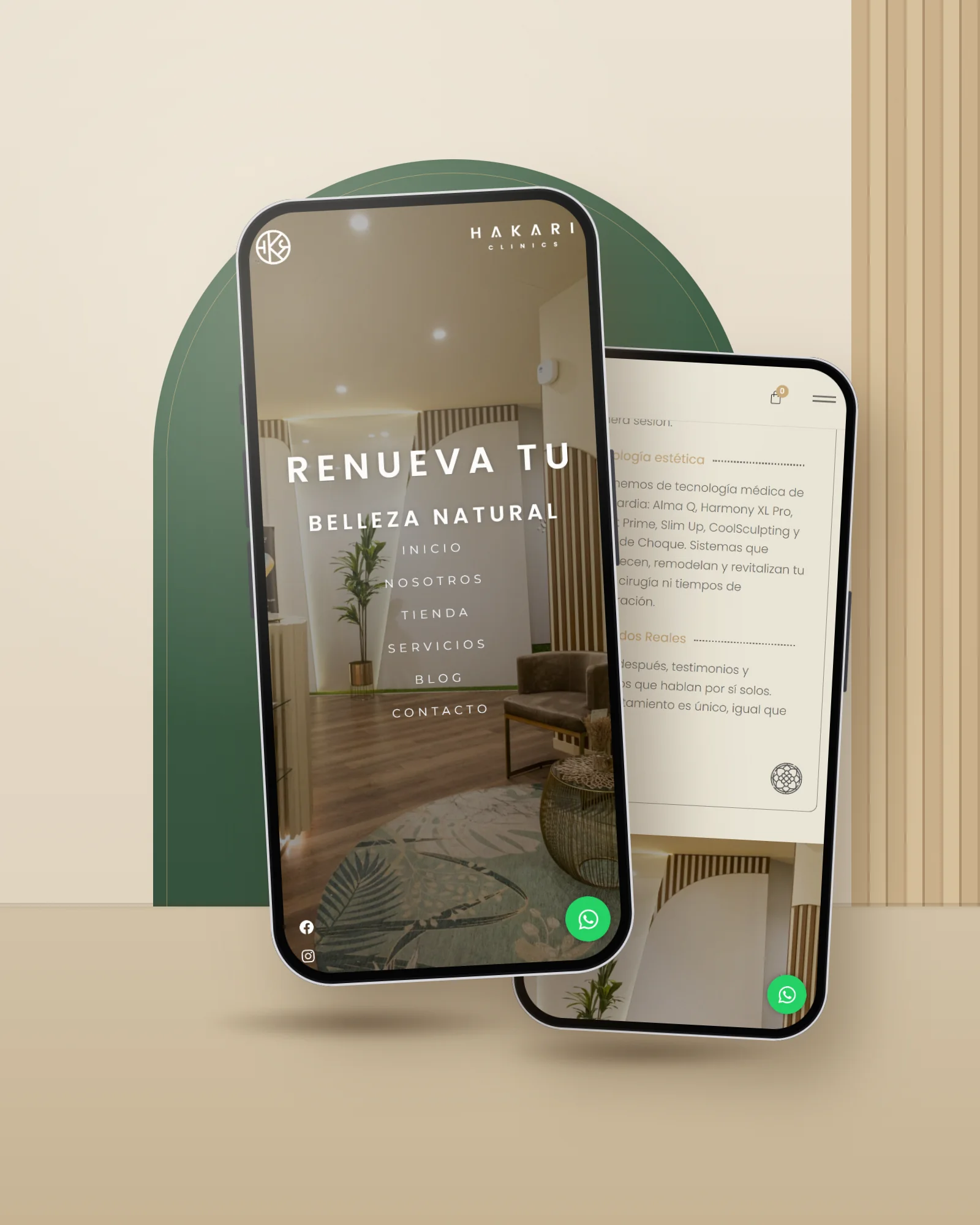

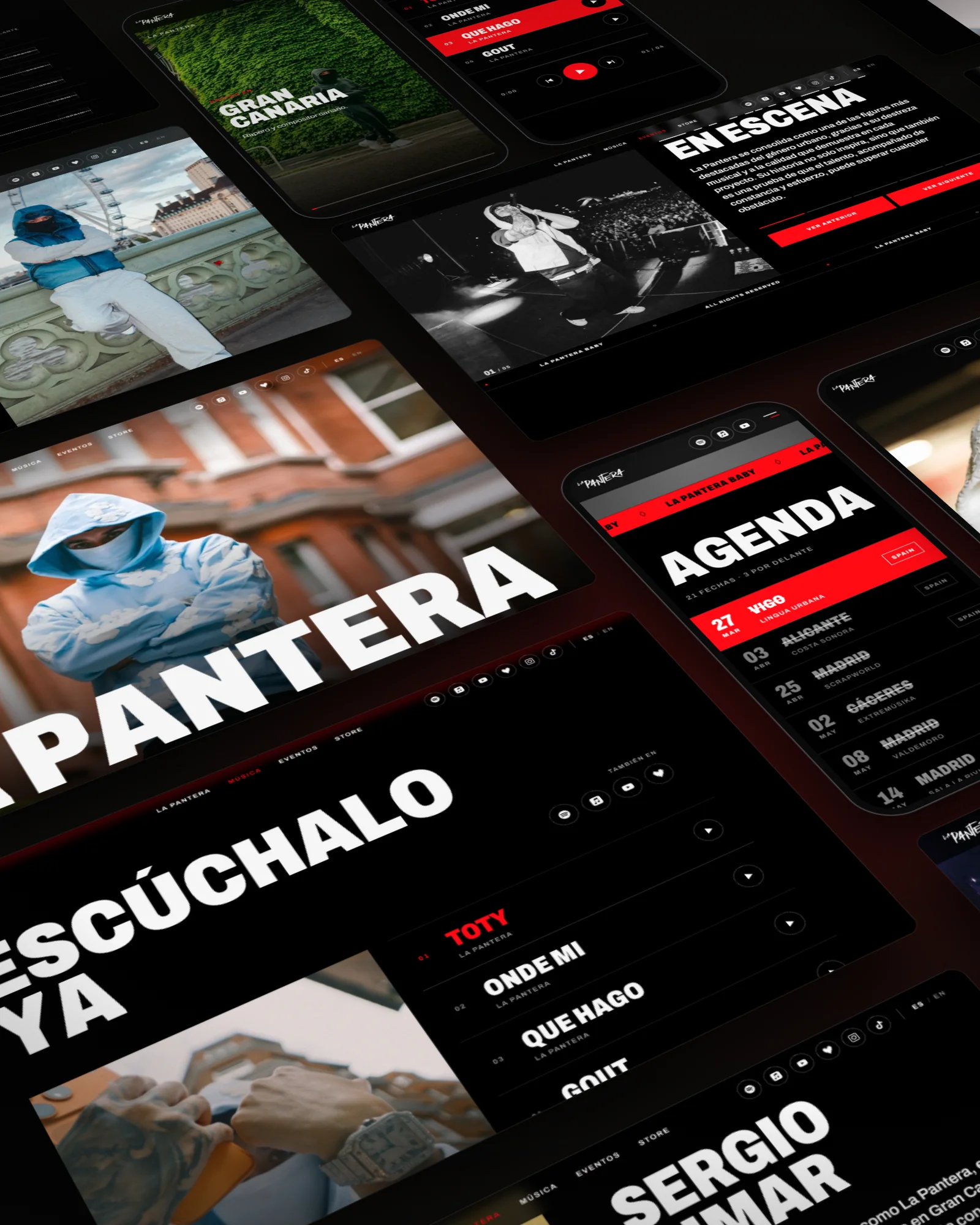

Type “web agency Gran Canaria” into Google and you’ll get dozens of results saying almost the same thing: “we’re experts”, “guaranteed results”, “the island’s leaders”. They all sound the same because they’re selling the same thing with the same words.
The problem isn’t finding a web agency. It’s choosing the one that will actually do the work, charge you fairly and still be there in a year’s time, when you need something.
This guide brings together what to check before signing: what your business really needs, what your options are, how to tell whether an agency is serious without relying only on reviews, and how much you should pay.
What a web agency should do for you (and what it shouldn’t)
A serious web agency takes care of:
- Designing and building a website tailored to your business, not a generic template with your logo stuck on top.
- Making it clear who owns the domain, hosting and code once the project is finished.
- Explaining the basic SEO included (speed, structure, Google Business Profile) without selling it as magic.
- Offering real maintenance: if the website goes down or something needs updating, someone answers.
What it should never do: promise you first place on Google without knowing your sector, hand over a website you can’t edit yourself without paying them for every change, or vanish as soon as the final instalment is paid.
What your business really needs (and what’s filler)
Before asking for quotes, it pays to be clear about what you need. According to the Spanish National Statistics Institute’s ICT survey (in Spanish), only 37% of Spanish companies with fewer than 10 employees have their own website. And of those that do, many are a five-year-old template nobody has touched since.
What can’t be missing:
- Fast loading on mobile. Most of your customers will look for you on their phone, not a computer. If it takes more than 3 seconds to load, half of them leave before seeing anything.
- A clear way to get in touch. A call button, WhatsApp or a form, visible without searching. If customers have to scroll to find out how to contact you, you’ve already lost them.
- Showing up when someone searches for your service in your area. Basic local SEO: consistent name, address and phone, a linked Google Business Profile, and Google understanding what each page is about.
- An SSL certificate (https). It’s not optional. Google penalises websites without it and browsers warn users that the site is “not secure”, which scares anyone off before they read a word.
- Being able to update it yourself. Changing a price, a photo or opening hours shouldn’t depend on writing to someone and waiting three days.
And what’s often sold as essential but only inflates the bill:
- Custom features you won’t use. Complex chatbots, advanced analytics dashboards, integrations with systems you don’t have: if you won’t use it in the first month, don’t pay for it in the first month.
- Animations and effects that slow loading down. A beautiful website that takes 6 seconds to load converts worse than a simple one that loads in 1.
- Multiple languages without real international customers. If 100% of your customers are local, every extra language is maintenance you pay for with no return.
- Fixed packages with 12-24 month contracts. If they tie you into a long contract to “pay off” the design, it’s a sign the initial price didn’t reflect the real cost.
- Proprietary hosting you can’t take with you. If one day you want to change provider and can’t move without losing the website, you don’t own your own website.
A quick table to help you decide:
| Element | When you do need it | When it’s just extra cost |
|---|---|---|
| Online store | You sell physical or digital products on a regular basis | You work by appointment or custom quote |
| Multiple languages | You have real tourist or international customers | Your business is 100% local |
| Blog / content | You want to attract Google traffic in the medium term | You only need a contact page |
| Chatbot / AI | You get a high volume of enquiries outside opening hours | Phone or WhatsApp already covers demand |
| Custom design | Your brand depends on first impressions (health, aesthetics, hospitality) | Any decent template does the job |
Freelancer, agency or template: what fits your business
There’s no “right” option for everyone. It depends on how much time you have, how much you want to spend and what happens if something breaks in a year’s time.
| Option | Contact | Guide price | If something breaks in a year |
|---|---|---|---|
| DIY template (Wix, Ueni…) | Just you, no real support | Low, but recurring every month | You fix it yourself or pay for generic support |
| Independent freelancer | Direct, but just one person | Medium | Depends on whether they’re still available or have moved on |
| Small agency with direct contact | Direct with the person doing the work, no sales reps in between | Medium-high | Maintenance included or available, someone answers |
| Large agency | Through an account manager, not the person who builds it | High | Depends on the maintenance contract signed |
If your business depends on the website to bring in real customers (bookings, quotes, calls), a DIY template usually falls short as soon as you need something that isn’t in the drop-down menu. That’s where an agency with direct contact comes in.
If you’re torn between a freelance designer and an agency, here are the real differences between a freelancer and an agency in Las Palmas.

How to tell whether a web agency is serious (without relying only on reviews)
What almost everyone does is search on Google, look at the stars and go with the one that has the most. But reviews alone say less than they seem to. In 2021 the European Commission checked 223 websites with reviews (online stores, marketplaces, booking sites and comparison sites) and in 144 of them couldn’t confirm that the company did enough to make sure the reviews were genuine. You can see it on the European Commission’s page about that sweep.
That doesn’t mean reviews are useless. It means they can’t be the only filter. This is what you can check yourself:
Look at their own website first
It’s their best calling card. If they had the time and will to look after their own image, it shows. Check simple things: whether it loads fast on mobile, whether the design looks current and whether it has the security padlock (https). Google measures every website’s performance and takes it into account for rankings, and publishes its criteria on web.dev. If their own website fails on this, it’s hard for yours to turn out better.
Ask for real websites, not screenshots
Anyone can put a nice screenshot in a “portfolio” slider. Ask for 2 or 3 links to current clients’ websites and open them yourself, on your phone and on a computer. If the agency is reluctant to share real links, ask yourself why.
Insist on a fixed, written quote
You need to know from the start how much you’ll pay and why, with no surprises at the end. An “offer” price that changes depending on the day you ask is a bad sign.
See whether they show you the design before charging the lot
If they ask for 100% up front without you having seen anything, be wary. The reasonable thing is to see a first version of your website before committing most of the money.
Ask who keeps the domain and the code
It’s the question asked least and the one that causes the most problems later. Some agencies register the domain and hosting in their own name, and if one day you want to change provider you discover that technically you don’t own your own website. Ask before signing: will the domain be in my name? Will I have full access to the hosting and the code? An evasive answer here is a real warning sign.
Ask what happens if the website fails after delivery
A website needs maintenance: security updates, backups, plugins that stop being compatible. Ask what happens if it goes down or you need a small change in a few months. If the answer is “that’s extra”, add it to the real cost before comparing. We explain it in detail in why your website needs maintenance.
Be wary of impossible SEO promises
If they promise you first place on Google within a week or an exact number of guaranteed customers, that’s a warning sign. Nobody controls Google’s algorithm. What a serious agency can offer you is consistent work and realistic goals, measured in months. Here we explain what to expect when hiring SEO.
Ask who you’ll be talking to
The person who builds your website, or a salesperson who then passes your requests on to a team you don’t know? Direct contact usually means faster answers and fewer things lost along the way.
Summary: warning signs and signs of trust
| Warning sign 🚩 | Sign of trust ✅ |
|---|---|
| Their own website is slow or outdated | Their own website loads fast and looks good on mobile |
| They only show screenshots | They show you real live websites, with links |
| They avoid talking about who owns the domain | They confirm in writing that the domain and code will be in your name |
| “I don’t know, another department handles that” | Direct contact with the person building the website |
| They guarantee first place on Google within days | They talk about realistic timescales and consistent work |
| Maintenance “isn’t included in anything” | They explain clearly what happens if something fails later |
| Everything verbal or on WhatsApp, nothing signed | A fixed, written quote before starting |
| The “offer” price changes depending on the day you ask | A price that doesn’t move once signed |
| They ask for 100% up front without you seeing anything | They show you the design before charging the lot |
How much it costs to hire a web agency in Gran Canaria
The range is wide because it depends on scope: a five-page information website isn’t the same as an online store with a payment gateway or a website with bookings synced to Booking and Airbnb. What matters is that the quote is fixed and in writing before starting.
As a reference, at The Simple Web Studio a basic website costs between €1,500 and €3,000, and from there the price rises depending on what you need. You’ll find the ranges on our pricing page and the full breakdown in the guide to website prices in the Canary Islands.
Kit Digital: funding to digitalise your small business
If you’re self-employed or run a small business in the Canary Islands, the Spanish Government’s Kit Digital programme can cover up to €6,000 of the cost of your new website, depending on your company segment. We explain how it works and what you need to apply in our article on Kit Digital for your website in Gran Canaria.
How we work at The Simple Web Studio
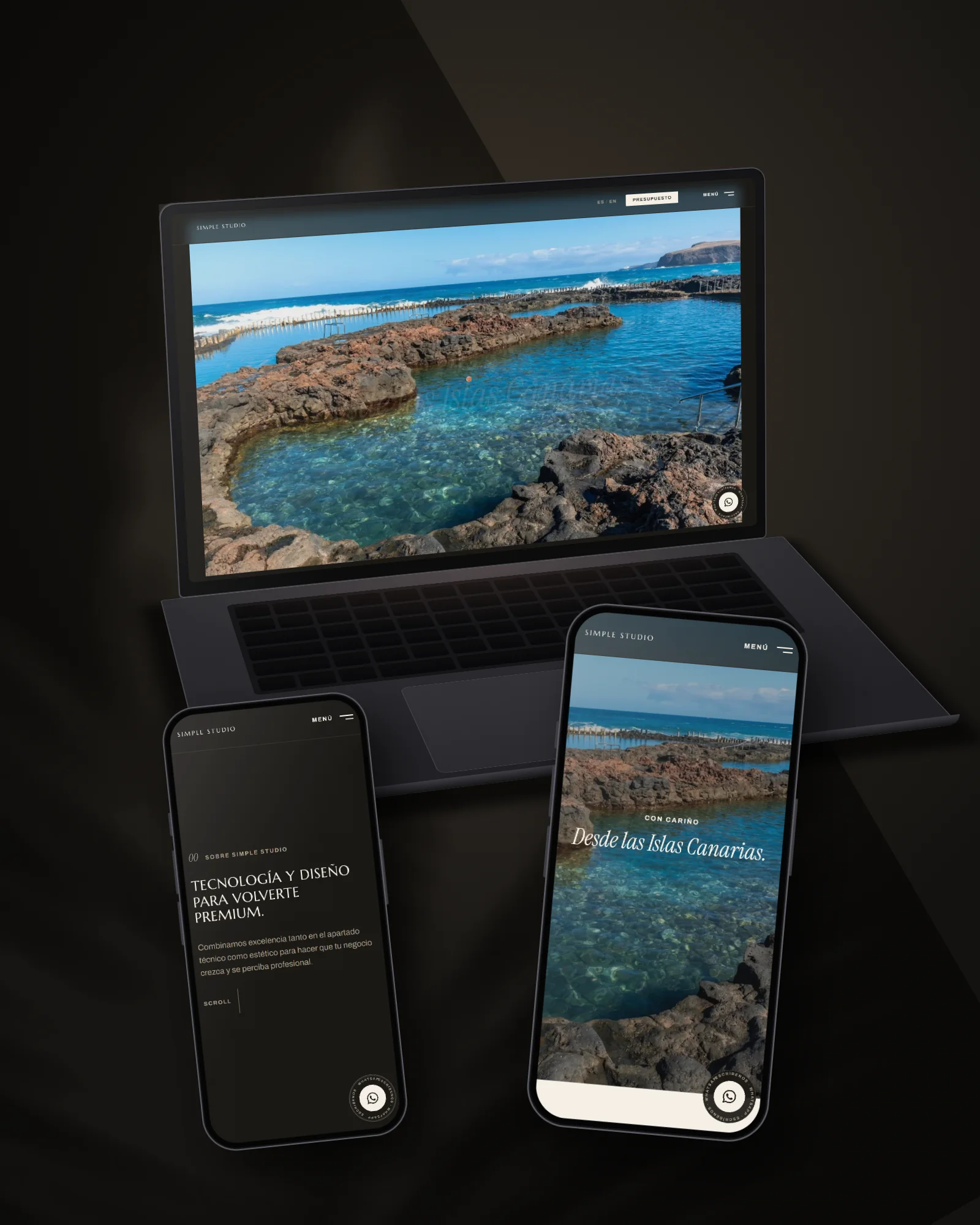
We’re a web design studio in Las Palmas. You talk directly to me, Jorge, with no account managers or middlemen between you and the person who builds your website.
- You see a prototype of your website before paying anything up front.
- The domain and hosting are in your name from day one.
- Development is done on WordPress, without tying you to a builder you can’t migrate away from later.
- SEO comes with clear goals and realistic timescales.
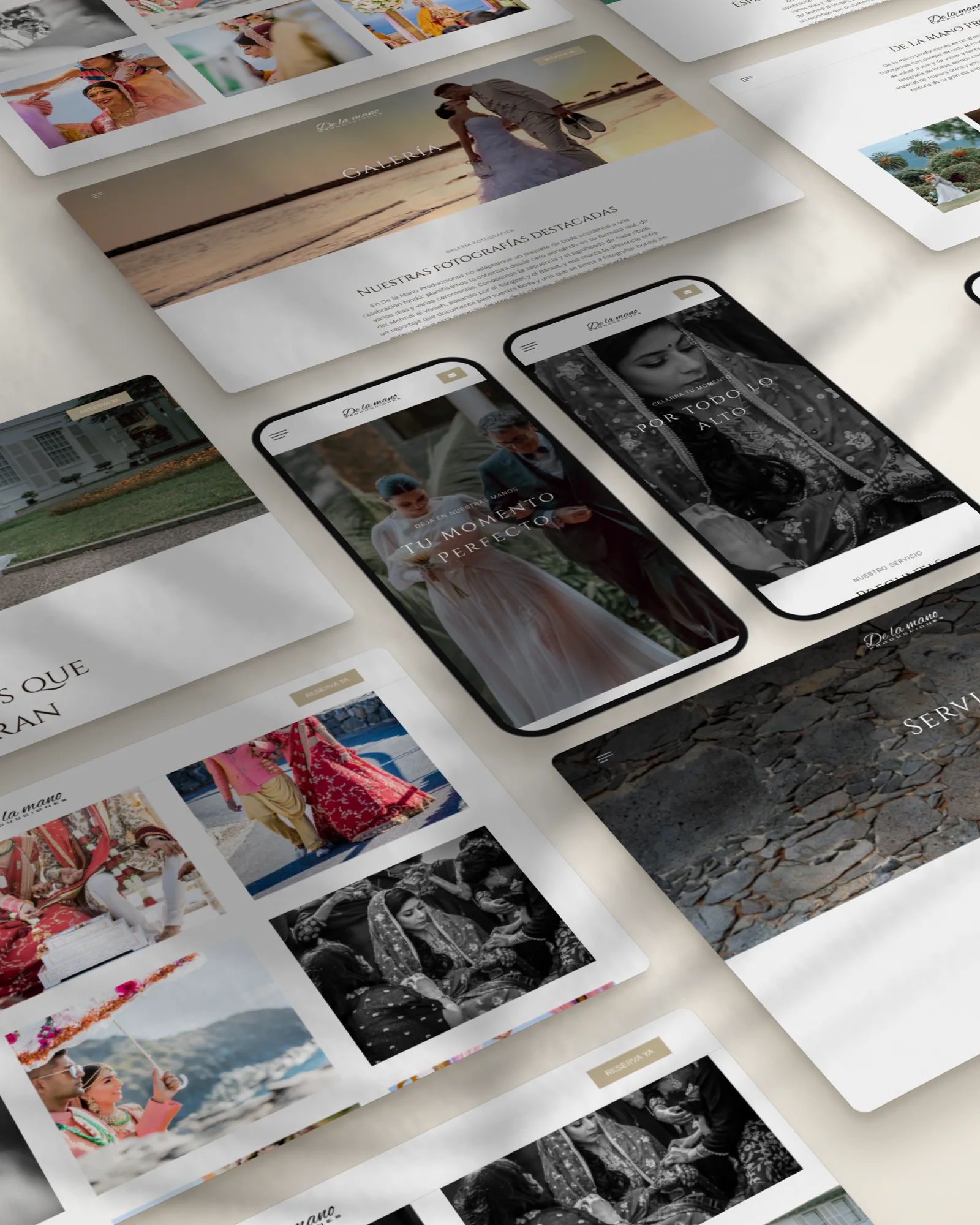
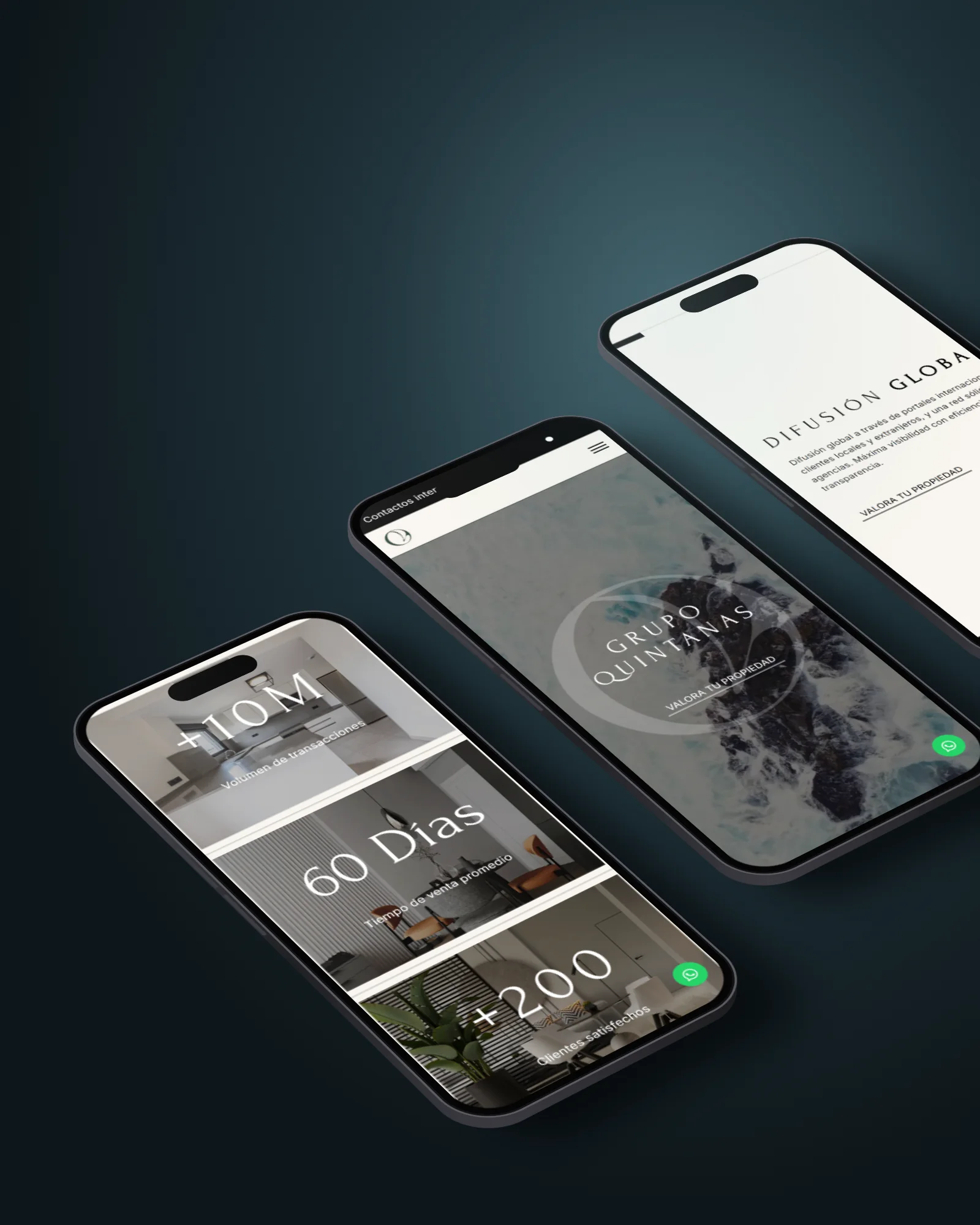
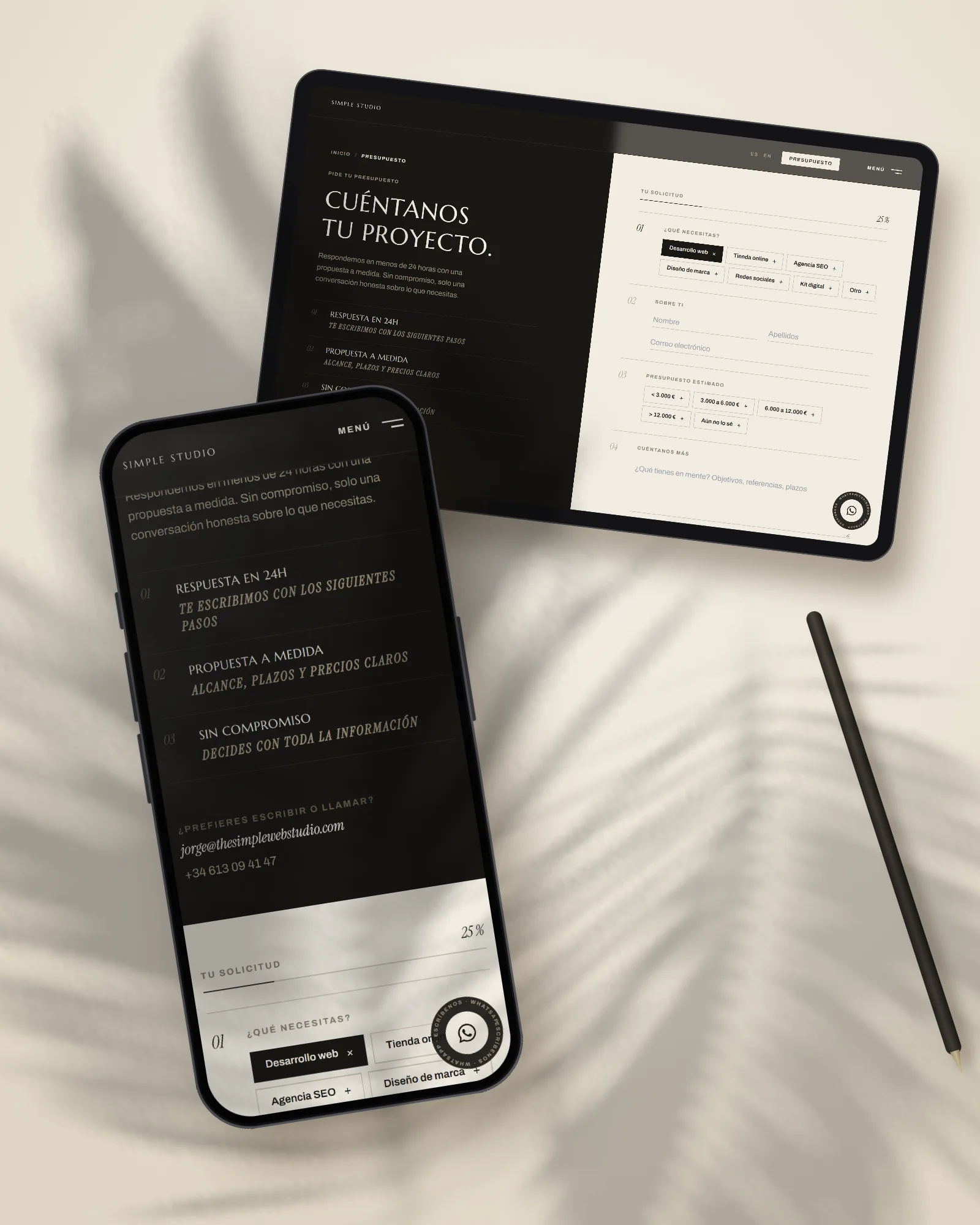
If you want to see real work, take a look at the portfolio. And if you want to talk about your project, message us on WhatsApp at +34 613 09 41 47 or request a quote here.